
Mount Vesuvius Facts for Kids: The World's Most Famous Volcano! 🌋
Mount Vesuvius Facts for Kids: The World's Most Famous Volcano! 🌋
Mount Vesuvius Facts for Kids: The World's Most Famous Volcano! 🌋. Discover practical tips for your visit. visitor guide, tickets, history of Pompeii
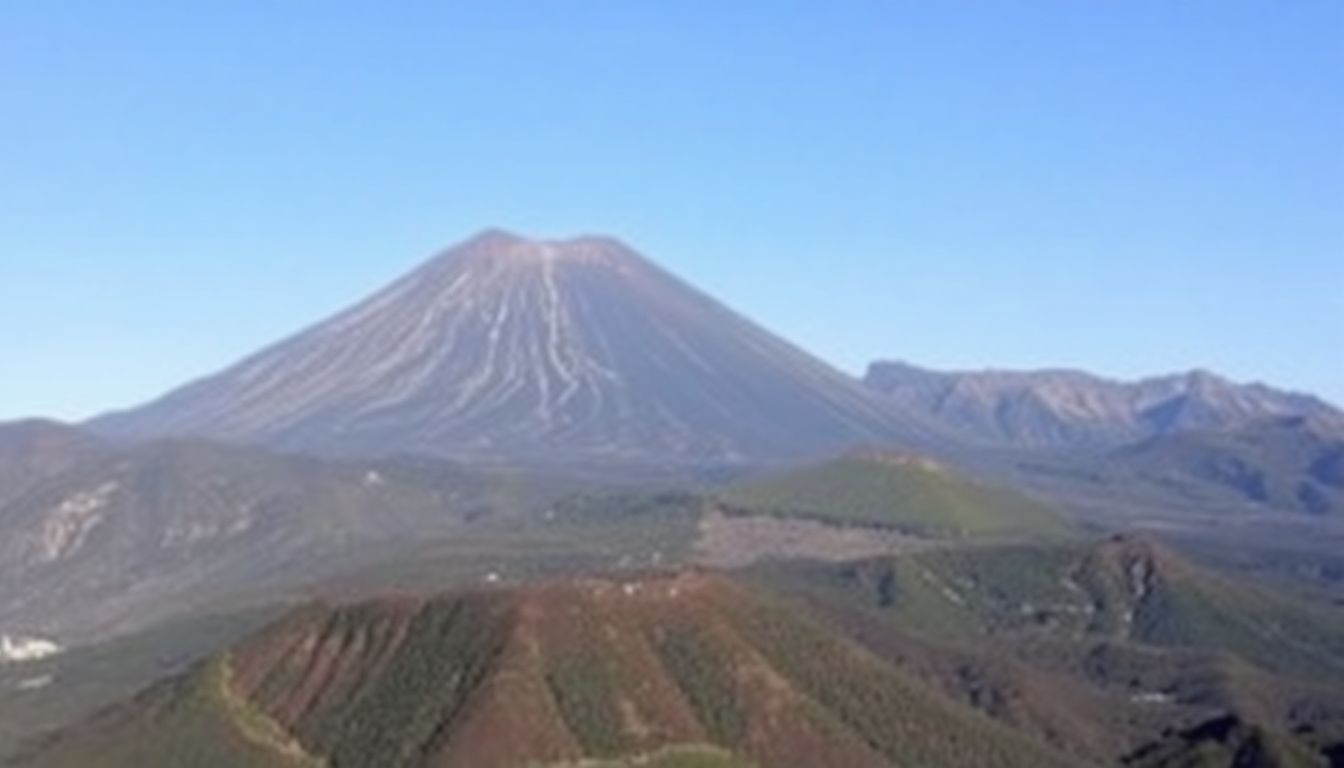
Hey there, young explorers! Ready to discover some super cool facts about Mount Vesuvius, one of the most famous (and famously fierce!) volcanoes on the planet? This mighty mountain has been making history for thousands of years, and guess what—it’s still active today! As someone who’s traveled all around Italy and even hiked to the top of this legendary volcano, I can tell you there’s nothing else quite like it.
Quick Facts About Mount Vesuvius
- Location: Naples, Italy 🇮🇹
- Height: 4,203 feet (1,281 meters)
- Type: Active Stratovolcano
- Last Eruption: 1944
- Famous For: Destroying Pompeii in 79 AD
Even from miles away, you can spot the outline of Vesuvius rising up over the Bay of Naples. Let’s dive into why it’s so special, and what makes it a must-see for curious travelers of all ages.
Table of Contents 📚
- What Makes Vesuvius Special?
- The Famous Pompeii Eruption
- Fun Facts About the Volcano
- Visiting Vesuvius Today
- Science Corner
- Activities for Young Volcanologists
- Safety First!
- Fun Quiz!
- Conclusion
What Makes Vesuvius Special? 🌟
Mount Vesuvius might look like just another mountain—but trust me, it’s so much more. From its double-structure shape to its unpredictable eruptions, Vesuvius has a unique personality that fascinates scientists and travelers alike.
The Only Active Volcano on Mainland Europe
- It’s “alive”: Vesuvius is constantly monitored by volcanologists (volcano scientists) who watch for any signs of activity.
- Surrounded by people: Around 3 million residents live in the bustling city of Naples, just a short drive away.
- Famous Observatory: There’s even a special observatory dedicated to keeping an eye on it day and night.
A Volcano with Two Parts
If you think one volcano is exciting, imagine having two in one! That’s sort of what’s happening at Vesuvius:
- Mount Somma: The older, outer part of the volcano.
- The Younger Cone: This newer cone formed inside the older structure, giving the mountain its distinct shape.
- Deep Crater: At the very top, you’ll find a crater nearly 1,000 feet deep—peering into it feels like looking into the Earth’s fiery core!
Personal Travel Tip: When I hiked Vesuvius for the first time, the trail started gently and then got steeper near the top. Looking into the massive crater, I could see wisps of steam rising here and there—proof that Vesuvius is still very much awake!
The Famous Pompeii Eruption ⚡
In 79 AD, Mount Vesuvius unleashed one of the most dramatic eruptions in recorded history. It caught everyone by surprise and reshaped the region forever.
What Happened?
- Warning Signs: People reported rumblings and small earthquakes beforehand, but no one knew the big eruption was coming.
- Ash Cloud: A towering cloud of ash—so big it blocked out the sun—shot miles into the sky.
- Fiery Hail: Hot rocks and volcanic ash showered the nearby towns.
- Buried Cities: Pompeii and Herculaneum were smothered under layers of ash and pumice.
- Time Capsule: The volcanic material preserved houses, art, food—even people—in astonishing detail.
Cool Discovery Facts 🔍
- Fossilized Bread: Archaeologists discovered loaves of bread still sitting in ancient ovens!
- Wall Art: Many vibrant frescoes (wall paintings) look as if they were just painted.
- Snapshots of Daily Life: Excavations revealed Roman roads, mosaics, and bathhouses, giving us a peek into 2,000-year-old lifestyles.
Personal Encounter: When I first visited the Pompeii ruins, I felt like I was stepping back in time. I walked through narrow Roman streets, saw the preserved amphitheater, and could almost imagine the bustling crowds of ancient Pompeiians going about their day.
Fun Facts About the Volcano 🎯
Feeling amazed yet? Here are a few more tidbits that make Mount Vesuvius truly one-of-a-kind:
-
Super Hot!
- Deep inside the volcano, temperatures can reach around 1,500°F (815°C).
- That’s about five times hotter than your kitchen oven!
-
Giant Size!
- The crater’s massive rim could fit roughly 3,000 school buses inside.
- A hike around the top typically takes around an hour—wear comfy shoes!
-
History Maker
- Vesuvius has erupted more than 50 times.
- Its most recent eruption was in 1944, during World War II.
-
Name Game
- Some historians believe it’s named after the hero Hercules.
- Others say it stems from “vesuvio,” which suggests “to spark” or “to flash.”
Visiting Vesuvius Today 🎒
Curious what it’s like to stand on the edge of an active volcano? Visiting Mount Vesuvius is a thrilling adventure—if you plan wisely!
What You Can Do
- Hike to the Crater: You can follow a winding path up the side of the mountain, often with local guides explaining the volcano’s history.
- Peek Inside the Volcano: At the summit, peer safely into the crater for a chance to see faint steam rising from the rocky walls.
- Volcano Museum: There’s a small museum near the parking lot that showcases volcanic rocks, photos, and historical exhibits.
- Panoramic Views: From the top, you’ll see the sparkling Bay of Naples, the island of Capri in the distance, and the city below.
Tips for Young Explorers
- Dress Comfortably: Wear sturdy shoes because the path can be dusty and uneven.
- Stay Hydrated: Pack water and light snacks—Italian summers can be very hot!
- Camera Ready: The views are spectacular, so have a phone or camera handy.
- Stick Together: Always stay with your group or family, and follow the marked trails.
Local Flavor: After your hike, treat yourself to a fresh Italian gelato or a slice of pizza in Naples—the birthplace of pizza. It’s a delicious way to celebrate conquering the volcano!
Science Corner 🔬
Vesuvius isn’t just for history buffs; budding scientists will find plenty to love, too! Here’s a quick volcanic primer:
Types of Eruptions
Mount Vesuvius typically has two main styles of eruption:
- Plinian: Powerful, explosive eruptions producing towering ash columns that can reach the stratosphere.
- Strombolian: Smaller, periodic eruptions with spurts of bright, fiery lava.
Volcano Vocabulary
- Magma: Melted rock stored beneath Earth’s surface.
- Lava: Magma that erupts or flows onto the surface.
- Pyroclastic Flow: Superheated gas and ash racing down the volcano’s slopes at incredible speeds.
- Crater: The bowl-shaped cavity at the volcano’s summit.
Did You Know? Some local scientists even collect tiny samples of gas from the crater to study changes in volcanic activity over time.
Activities for Young Volcanologists 🎨
If you’re feeling inspired, try these hands-on projects at home or school:
Make Your Own Volcano
Gather these items:
- A small plastic bottle
- Baking soda
- Vinegar
- Red food coloring
- Modeling clay or Play-Doh
How to Do It: Shape the clay around the bottle to form a mini volcano. Pour in some baking soda, add a few drops of red food coloring, then slowly pour in vinegar. Watch your volcano “erupt” with fizzy lava!
Draw Vesuvius
Sketch a volcano and label these parts:
- Crater: The very top “bowl”
- Magma Chamber: Where magma waits below ground
- Main Cone: The large mountain structure
- Lava Flows: The paths lava might take during an eruption
Extra Fun: Compare your drawing to photos of the real Mount Vesuvius. Notice how the outer Mount Somma ring and the inner cone give it a unique, layered look!
Safety First! ⚠️
Mount Vesuvius may be active, but it’s still considered safe to visit—and here’s why:
- Constant Monitoring: Volcanologists and geologists keep track of seismic activity (earthquakes) and gas emissions.
- Emergency Plans: The local authorities have evacuation routes and safety plans ready to go.
- Visitor Safety: Hiking paths and guided tours follow strict protocols to ensure everyone stays out of harm’s way.
Fun Quiz! 📝
Test your knowledge about Mount Vesuvius:
- How tall is Mount Vesuvius?
- When was its last eruption?
- What famous city did it bury in 79 AD?
- What type of volcano is Vesuvius classified as?
- Approximately how many people live near it?
Answers:
- 4,203 feet (1,281 meters)
- 1944
- Pompeii (and Herculaneum!)
- An active stratovolcano
- Around 3 million
Conclusion 🌈
Mount Vesuvius is more than just a volcano—it’s a window into ancient history, a laboratory for modern science, and a bucket-list destination for adventurous travelers. Walking the same paths that ancient Romans once did or peering into a crater that holds Earth’s fiery secrets can be a truly eye-opening experience.
Want to Learn More?
- Visit a Science Museum: Many museums have volcano exhibits where you can learn about volcanic rocks and eruptions.
- Watch Documentaries: Look for documentaries about Pompeii or volcanic science for jaw-dropping footage.
- Read Volcano Books: Many kids’ books illustrate volcanoes and show you what happens underground.
- Ask Your Teacher: Teachers love sharing resources and can direct you to other fun volcano activities!
Remember: volcanoes may seem scary, but they also create fertile soil, form new land, and help us understand Earth’s dynamic nature. Next time you look at a big mountain, you might wonder—could there be lava beneath my feet? Keep exploring, and stay curious!